
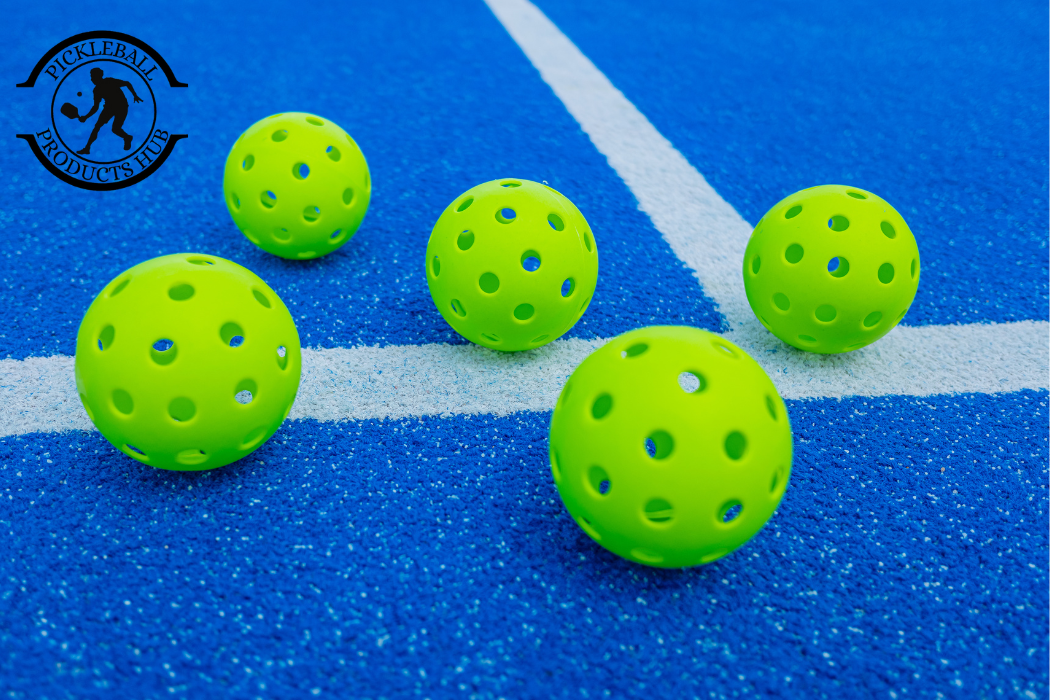
Pickleball has quickly become one of the most popular sports worldwide. It’s easy to learn, fun to play, and suitable for all ages. Whether you play in a park, gym, or on a professional court, one important thing every player wants to know is what type of ball is used in pickleball. The ball may look small and simple, but it plays an important role in the game.
The ball you use affects how fast it travels, how it bounces, and even how you control your shots. In this guide, we will explore everything you need to know about what type of ball is used in pickleball, how to choose the right one, what it is made of, and how to care for it. Let’s get into more details:
Understanding the Pickleball Ball
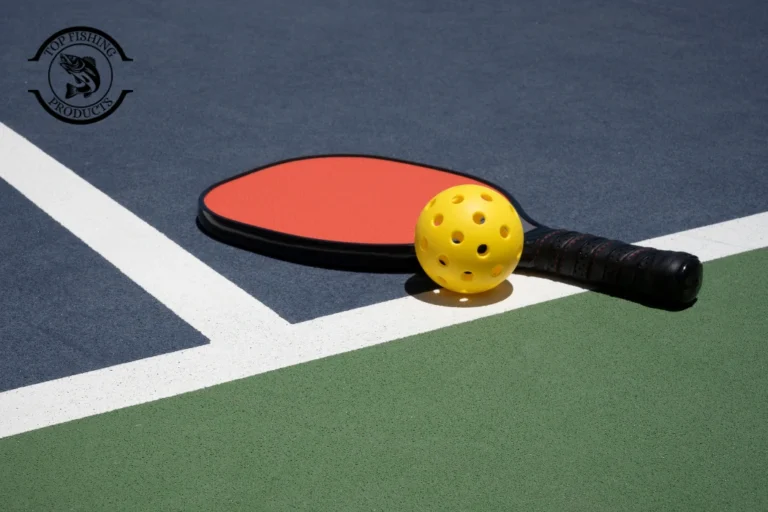
Pickleball is not played with a simple ball it looks quite similar to a whiffle ball because of its round plastic shape and evenly spaced holes. If you’ve ever wondered what type of ball is used in pickleball, it’s a specially designed plastic ball made to handle the unique speed, bounce, and spin of the game. These balls are crafted from durable plastic not rubber which helps them stay lightweight and maintain their shape even after countless hits.
This design is extremely useful because, despite repeated contact with paddles, the ball remains firm and consistent. Its hollow interior and multiple small holes allow it to move smoothly through the air with minimal wind resistance. According to the USA Pickleball Association, the official ball size ranges from 2.87 to 2.97 inches in diameter and weighs between 0.78 and 0.935 ounces.
When dropped from a height of 78 inches, it should bounce between 30 and 34 inches, ensuring consistent play. The surface texture and hole size also affect how the ball performs. Indoor pickleballs have larger holes and are lighter, while outdoor pickleballs have smaller holes and are made from stronger plastic to endure rougher conditions
The Evolution of Pickleball Balls
In terms of both design and quality, pickleball balls have advanced significantly over the years. Players used ordinary plastic balls, which were essentially whiffle balls, when the game first began in the 1960s. These original models were not durable and could break easily. Companies experimented with better materials and constructions as the game’s popularity grew.
To create balls that could survive hard impacts and longer games, they experimented with different kinds of polymers, hole designs, and production techniques. These days, pickleball balls are expertly manufactured to achieve lifespan, perfect balance, and consistent bounce. As technology develops, we may see balls that are even more durable to deformation, weather, and cracking in the years to come.
Popular Pickleball Ball Brands
Good pickleball balls are made by several different companies. Among the most well-known are Jugs, Dura, Onix, and Franklin Sports. Professional tournaments frequently use the Franklin X-40 and Onix Fuse. Another popular choice for outdoor activities is Dura Fast 40 because of its durability and ability to function well in windy conditions.
These companies make sure their balls meet regulatory criteria by properly testing them. Finding USA Pickleball-approved balls is the greatest option when buying them because they guarantee the best quality and performance.
Indoor Pickleball Balls
Indoor pickleball balls are specifically made for inside gyms and courts. These balls are designed to move more slowly and be free of wind. The balls don’t need to be heavy or strong like outdoor ones. Indoor balls are made with soft plastic that allows for longer rallies.
An indoor pickleball ball usually has 26 large holes. These holes reduce the air resistance and make the ball travel more slowly. It gives more time to react in the players to react. In that specific interval of time, the players can easily plan their shots and moves. This strategy of ball making perfectly enhanced the joy of playing pickleball.
Since there is no wind inside, the ball always goes in the same direction, which lets players make more accurate spins and places. However, indoor balls may wear out more quickly, especially if they are played outside or on unclean floors. Additionally, when used outside, the softer plastic is more likely to break or lose its spherical shape.
Outdoor Pickleball Balls
Pickleball balls for outdoor use are designed for harsher play and are designed to withstand changing weather conditions. These balls have fewer holes and are denser and firmer. The 40 small holes in a typical outdoor pickleball let it stay steady in the wind and fly in a predictable direction. That’s why outdoor pickleball balls have 40 holes to keep them balanced and steady during play.
The ball needs to be more durable because concrete or asphalt outside surfaces are textured. Stronger plastics are used by companies to prevent flattening or cracking from a lot of crashes. Faster rallies and more intense games are the result of the outdoor balls’ faster bouncing due to their tougher surface. Because outdoor balls are heavier and harder, they make more noise when hit, and the game has greater energy.
However, outdoor balls eventually wear out, especially when used in harsh weather or in direct sunlight. Extremely hot or cold conditions can cause them to soften, lose their spherical shape, or even break. Because of the rough court surface, which can shorten the duration of each ball, some players bring a few spares with them when they play outside.
Differences Between Indoor and Outdoor Pickleball Balls
How indoor and outdoor balls feel and handle on the court is the main way that they differ from one another. This difference is known as the indoor vs outdoor pickleball balls comparison, which is important for all players to understand. Balls are softer, slower, and easier to manage indoors.
Beginners and gamers who enjoy lengthy rallies would love them. Balls outside are tougher, harder, and faster. They are ideal for professional players or outside competitive matches. The other notable difference is the holes. Outdoor balls have 40 small holes, while indoor balls have 26 larger holes.

The ball’s speed in the air is determined by its size and holes. The ball travels more quickly and survives the wind better when there are more and larger holes, whereas smaller and fewer holes slow it down. In short, outdoor balls are for strength and speed, while indoor balls are for feel and control.
What Are Pickleball Balls Made Of?
Polymer is a type of plastic used to make pickleball. Because it is lightweight, strong, and maintains its shape even after hundreds of hits, this material is the one that is recommended. The majority of manufacturing techniques use heat to create a perfectly spherical, hollow ball out of plastic.
To ensure balance and smooth flight, holes are then drilled or molded evenly throughout the surface. Some balls consist of one piece of plastic, while others consist of two sections that are linked. Two-piece balls can break after extended use, but one-piece balls are typically more reliable and long-lasting. One-piece construction is used for serious games by the majority of serious professional players.
The color of the ball is also important. Bright colors like neon green, orange, and yellow are popular because they are very noticeable in a variety of lighting situations. While brighter or darker colors are better for visibility against the sky or surroundings outside, indoor colors work best indoors.
How to Choose the Right Pickleball Ball
Depending on where you play and your goals for the game, you can choose the ideal pickleball ball. Understanding what type of ball is used in pickleball helps you make better choices based on environment, skill level, and durability. Softer indoor balls offer more control and smoother play if you play indoors most of the time.
For durability and stability in windy conditions, use harder outdoor balls when playing outside. It’s also a good idea to consider the brand’s quality. While some brands offer practice balls at a lower cost but with less reliability, others have tournament-approved balls that meet official standards. Beginners can start with practice balls before moving on to professional-quality ones.
You can also experiment with different options to see which ball works best for your style of play. Some players prefer outdoor balls indoors for faster action, while others use indoor balls outdoors for slower, more controlled rallies. Finding the right ball type according to your comfort, court surface, and experience level is key to improving your game.
How to Take Care of Pickleball Balls
Your pickleball balls will play better and last longer if you take proper care of them. If the balls get dirty after each game, wipe them out with a gentle cloth and some mild soap. They will bounce unevenly and lose their hold when covered in dust and dirt. Always keep your balls somewhere cold and dry.
Avoid leaving kids in the car in extremely cold or hot conditions. Cracks and fractures are the result of the plastic contracting or expanding due to high heat. It is also good to keep checking your balls. It’s time to replace them if you notice cracks, dents, or changes in bounce.
The game’s continuity and fairness will be impacted if damaged balls are used. Many players often wonder how long do pickleball balls last, and the answer depends on use, surface type, and weather exposure.
Why Ball Type Affects Your Game
Your game is affected in every way by the sort of ball you use. It changes your serving style, your reaction time, and even the amount of spin you can use. While playing with an outdoor ball might make it bounce too quickly or feel too hard, playing with an indoor ball outside can make it move unpredictably in the wind. Ensuring your ball is in line with its environment is necessary if you want to improve.
Your hand becomes used to the way it looks, sounds, and moves on the court by training with the right ball. This promotes reliability and trust, especially if you plan to participate in competitions. Professional athletes always make sure to bring the right kind of balls for the conditions of the game. This small detail can have a significant impact on comfort and performance.
Which Ball Should You Use as a Beginner?
Indoor balls are the best choice if you are a beginner. They are softer, slower, and easier to control, allowing you to focus on perfecting your shots and improving your accuracy. Because they move at a slower speed, you get more time to plan and decide your moves. Once you’ve gained enough experience by regularly playing pickleball, you can easily switch to outdoor balls for more challenging games.
When learning what type of ball is used in pickleball, beginners should start with soft indoor models. These help in building precision, consistency, and better control. As you practice more, you’ll naturally develop a preference for a certain ball type. Some players enjoy the comfort and feel of softer indoor balls, while others prefer the bounce and sound of outdoor balls, even when playing inside. The more you play, the better you’ll understand which pickleball type suits your style and skill level.
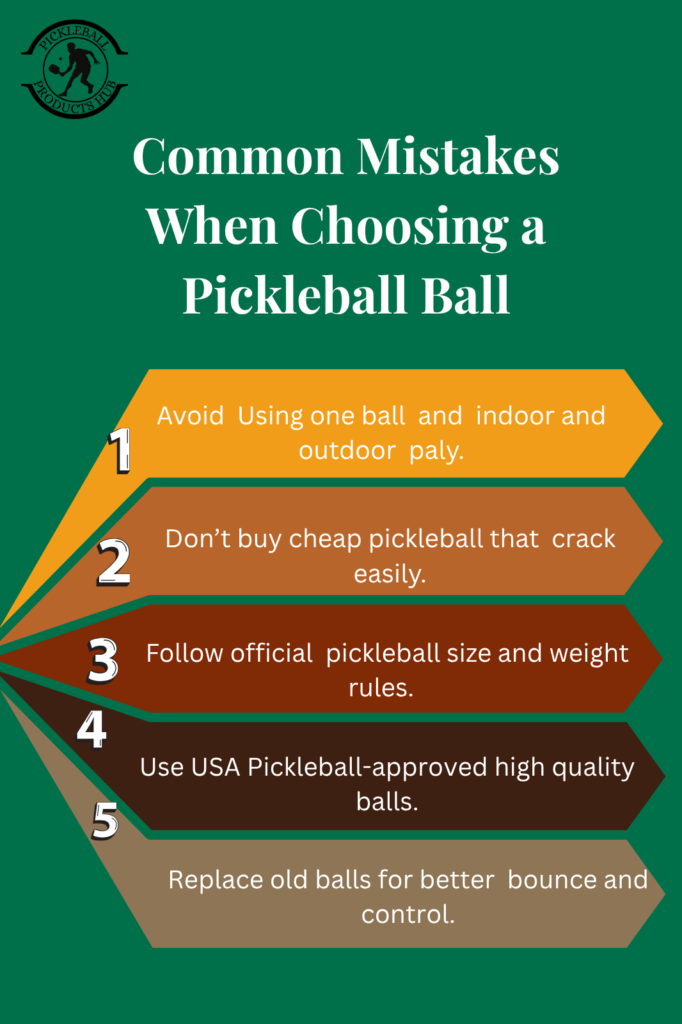
Common Mistakes When Choosing a Pickleball Ball
Using the same ball both indoors and outdoors is a common mistake made by new players. It may seem fine at first, but it quickly wears out and affects your performance. Choosing cheap balls that crack after a few games or ignoring official weight and size standards can also ruin your game.
Shots made with the wrong kind of ball are often unstable and unpredictable. That’s why it’s important to understand what type of ball is used in pickleball and choose high-quality, USA Pickleball–approved options for the best results. Lastly, don’t forget to replace old balls even if they look fine because worn-out balls lose bounce and shape. Regularly updating your balls ensures smoother play, consistent performance, and a much better pickleball experience overall.
Conclusion
Pickleball seems simple, but every piece of equipment, especially the ball, makes a big difference in your experience. Understanding the type of ball used in pickleball improves your performance and increases your enjoyment of the game. Indoor balls that are slow and soft are perfect for control and smooth play.
Outdoor balls that are hard and quick are ideal for games played outside and in windy conditions. You can succeed on the court if you understand how the ball’s design, holes, and materials affect your performance. You will always have a pleasant and even game if you choose the right ball for your environment.
Take care of it properly and replace it when needed. Playing with the right pickleball ball will help you improve your technique, improve your shots, and enjoy one of the most enjoyable and popular sports in the world, regardless of your level of skill.
FAQs
What is the official size of a pickleball ball?
The official size of a pickleball ball is between 2.87 and 2.97 inches in diameter, and it should weigh between 0.78 and 0.935 ounces.
Can I use an indoor ball outdoors?
You can, but it is not recommended. Indoor balls are softer and not designed to handle wind or rough surfaces, so they may crack or bounce poorly outside.
How long does a pickleball ball last?
A good-quality pickleball ball can last for several games to a few weeks, depending on how often and where you play. Outdoor balls usually wear out faster due to rougher courts.
Why do some pickleball balls have more holes?
Outdoor balls have more holes to reduce wind resistance and keep a stable flight, while indoor balls have fewer holes for slower and more controlled play.
What color of pickleball ball is best?
Bright colors like yellow, orange, or neon green are best because they are easy to see in all lighting conditions.
How can I tell if my ball is damaged?
If your ball has cracks, flat spots, or does not bounce as high as before, it is likely damaged and should be replaced.