
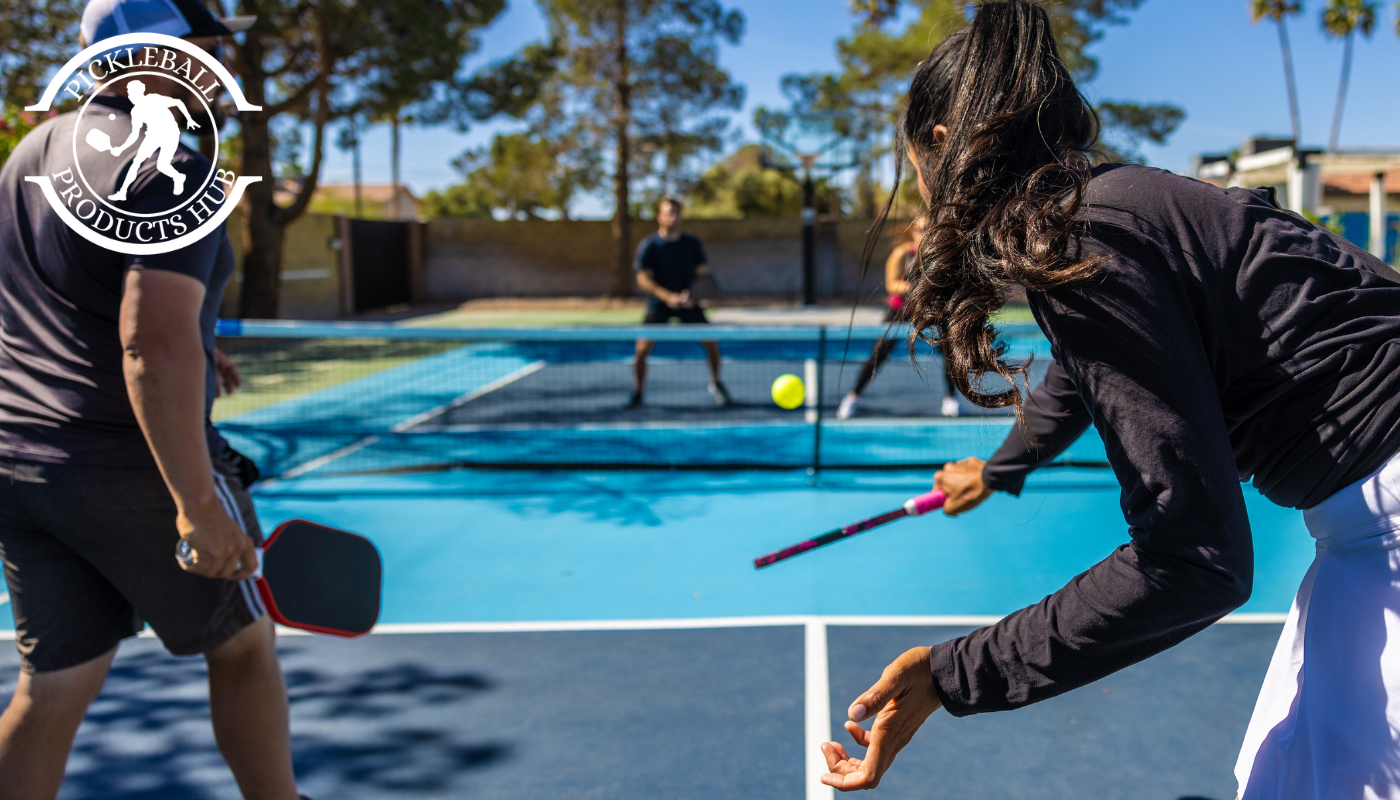
To understand what is stacking in pickleball? means, imagine a doubles game where both players on the same team stand together on one side of the court before the serve starts. This might look unusual to someone new, but it is actually a smart way to play. Stacking helps players stay on the side of the court where they feel strongest and most comfortable. This way, each player can use their best skills and cover the court better.
Stacking also makes teamwork easier and more organized. When both players know where they will be, they can avoid confusion and move smoothly during the game. Because of this, stacking is used by many players from beginners learning the game to experts wanting to improve their chances of winning points. Learning stacking in pickleball is will help you play better and enjoy doubles matches more.
Why Do People Stack in Pickleball?
Players stack in pickleball mainly to improve their chances of winning by playing to their strengths. Often, one partner feels more comfortable or stronger playing on a certain side of the court, whether it’s because of their forehand or backhand preference. By stacking, both players start on the same side and then quickly move to their preferred positions once the point begins.
This helps maintain consistency and allows each player to stay in their best spot, making it easier to cover the court effectively. Additionally, stacking helps teams hide their weaknesses and highlight their strengths, giving them a tactical edge during the game. Overall, stacking is a smart way to work together as a team and play more confidently.
Stacking vs Traditional Play
Let’s quickly see how stacking compares to regular play:
| Feature | Traditional Style | Stacking |
|---|---|---|
| Players switch sides after points | Yes | Not always |
| You get to stay on your favorite side | No | Yes |
| Needs extra planning | No | Yes |
| Easier to confuse scoring | No | A little |
Is Stacking Legal in Pickleball?
Many players new to stacking wonder if this strategy is allowed in official pickleball games. The good news is, stacking is completely permissible. The rules of pickleball don’t forbid players from standing on the same side of the court before the serve or return. As long as the correct player serves and the right player returns the serve, teams can position themselves however they want at the start of the point.
However, players should be careful to follow the basic serving rules. The player who is supposed to serve must do so from the correct side, and the opposing team must also follow their serving order. Beyond these requirements, stacking is a smart way to maximize court positioning and can be used in both casual and competitive matches without breaking any rules.
How to Stack in Pickleball (Made Super Simple)
If you’re thinking about how to stack in pickleball, don’t worry — it’s not as tricky as it sounds. Follow this beginner-friendly way:
- Pick your side: Which side do you like better — left or right?
- Talk to your partner: Decide when you’ll switch sides and how.
- Start together: Both players begin on one side.
- Move fast: After the serve or return, switch to your chosen spot.
- Practice: Try it in casual games until it feels easy.
Remember: It’s okay to make a mistake — that’s how you learn.
Types of Stacking You’ll See on the Court
Stacking isn’t a one-size-fits-all thing. Teams use different styles depending on comfort and skill:
1. Full Stacking
when players use the stacking strategy on every single serve and return throughout the game. Both teammates start on the same side of the court before each point begins, and right after the serve, they quickly switch to their preferred sides.
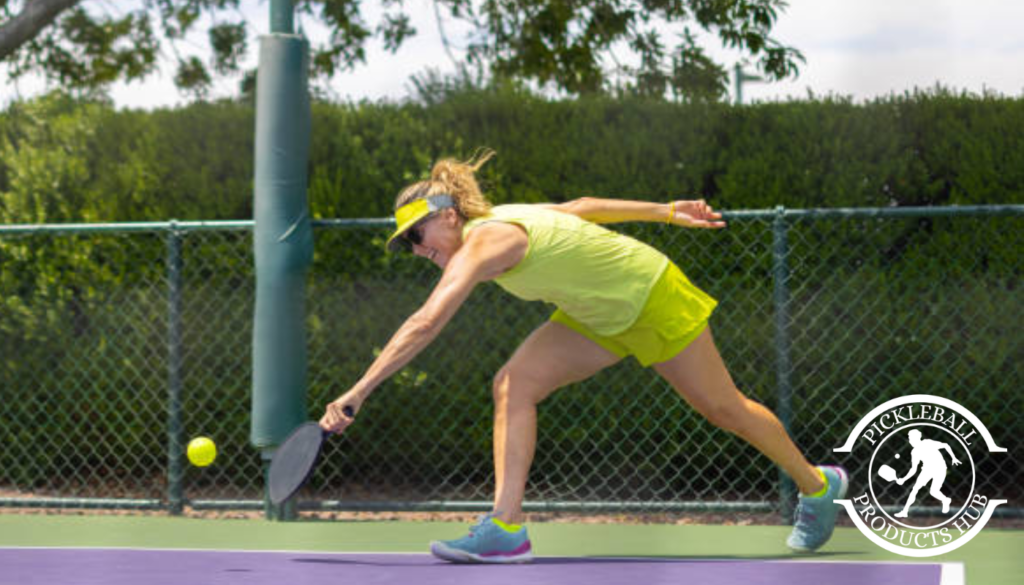
This approach requires fast movements and strong communication between partners to avoid confusion and stay coordinated. Teams that use full stacking often do so because it lets each player stay on their strongest side consistently, helping improve overall teamwork and control.
2. Half Stacking
Half stacking is a more relaxed version of stacking. Instead of stacking on every point, players use this strategy only during certain parts of the game — usually when the score is even. This makes it easier to remember and reduces the chance of mistakes. Half stacking is a great choice for beginners or teams who want to try stacking without having to do it all the time. It still helps players get the advantage of playing on their preferred side but with less pressure to switch constantly.
3. Switch Stacking
Switch stacking is a flexible way to use stacking during a game. Players start the point stacked together on one side, but instead of staying fixed, they switch positions during the rally depending on how the play is going. This allows the team to adapt quickly to different situations and opponents’ moves. It requires good communication and awareness, but it can give players an edge by letting them respond smartly to what’s happening on the court.
Benefits of Using the Stacking Strategy
Stacking sounds smart — and it really is. Here’s why many players love it:
- You stay on your strong side.
- Stronger players get more control.
- It keeps things familiar between partners.
- You can adjust your strategy to opponents.
All these things give your team a better chance of winning
Things That Can Go Wrong (and How to Fix Them)
Stacking can be confusing at first. Here are a few problems you might face:
- Forgetting who should serve or return.
- Bumping into each other while switching.
- Slower movements if you’re not used to it.
But here’s the good news: these things get better with practice. Just take your time and have fun.
What Is Paddle Stacking in Pickleball?
Paddle stacking is a term that sounds similar to stacking on the court but means something different. Instead of a playing strategy, paddle stacking refers to how players organize their paddles when waiting to play. In many busy pickleball courts or clubs, players place their paddles in a neat stack to show the order of who will play next. This helps keep the game fair and makes sure everyone gets a turn without confusion.
By stacking paddles, players create a simple, visual queue system. When it’s your turn to play, you take the top paddle from the stack. This method works especially well in social or recreational settings where lots of people want to join games, and it helps keep the flow smooth. So, while paddle stacking might sound like a game tactic, it’s actually about managing turns off the court.
Who Should Try Stacking?
Stacking isn’t just for pro pickleball players it can be useful for many types of players, including beginners. Anyone who has a stronger forehand or backhand on a particular side of the court can benefit from stacking. It’s especially helpful for doubles teams where one partner prefers to stay on a certain side or when players want to maximize their strengths and minimize weaknesses.
Mixed doubles teams often use stacking so that the more mobile or stronger player can cover more of the court. If you and your partner are looking to improve communication, court coverage, and consistency, stacking is definitely worth trying. Just start slow, practice regularly, and adjust your strategy as you go
FAQs
Q: What is stacking in pickleball in simple terms?
A: It’s when both teammates stand on the same side of the court before a point to help them play from their best positions.
Q: Can stacking be confusing?
A: It can be in the beginning, but once you get used to it, it becomes second nature.
Q: Is it okay for beginners to use stacking?
A: Absolutely! Start slowly and try stacking only on your serve at first.
Q: What is paddle stacking in pickleball?
A: That’s about taking turns off the court — it helps keep games moving fairly.
Q: Is stacking allowed in official games?
A: Yes. It’s legal and often used by competitive players.
Conclusion
Now that you understand what is stacking in pickleball, you can see it’s not just a fancy strategy for advanced players. It’s a simple yet effective way for you and your partner to stay on your stronger sides, improve teamwork, and play smarter. Stacking allows each player to perform from their comfort zone, which leads to better coordination, stronger defense, and more confident shot-making.
Whether you’re new to stacking or just starting to experiment with different types like full, half, or switch stacking, remember that it all comes down to practice and communication. Start slowly, learn from mistakes, and talk openly with your partner during games. With time, stacking can become a natural and powerful part of your doubles strategy — helping you gain an edge and enjoy the game even more.