

One of the most important features of pickleball is the serve. A strong serve may offer players a big advantage and set the tone for the rally. Compared to other tennis games, pickleball serves are unique because they follow specific pickleball serve rules, including placement, legal motion, and strategy. Gaining skills in serving will help you succeed in both casual and competitive settings, no matter your experience level.
In this article, we will cover every regulation about the pickleball serve rules, including location, paddle technique, faults, typical mistakes, and advice on how to improve your serve. By the end, you will have a thorough understanding of how does serving work in pickleball and how to serve safely and effectively. Let’s explore it:
What Is a Pickleball Serve?
In pickleball, a serve is an action that starts a point. Pickleball serves must be made underhand, compared to other sports where they can be thrown or overhand. The server must hit the ball from behind the baseline and below the waist. This is done not just to start a game but also to position the ball so that it is hard for the other team to get it back.
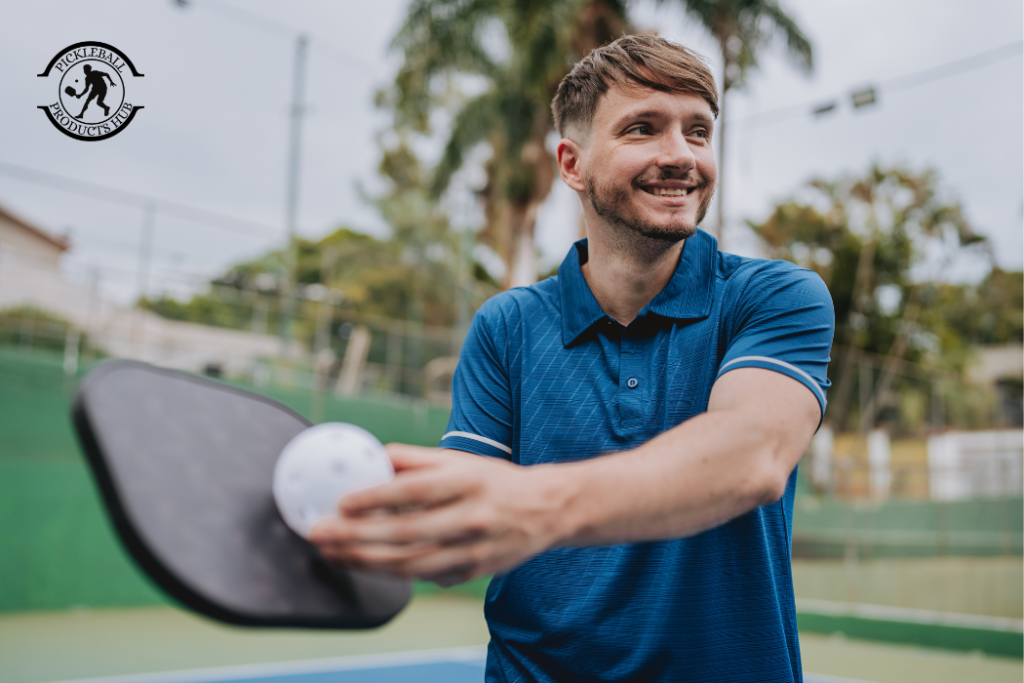
In pickleball, serving requires a combination of skill, accuracy, and reliability. A powerful serve allows you to take charge of the rally, opens up opportunities for attacking moves, and improves your strategy during attacks. Players can increase the strength of their serves by developing a focused mentality on placement and spin. When they are aware of the role they will play throughout the game, it is easier to understand what is a legal serve in pickleball.
How to Position for a Serve
The first step in making a legal pickleball serve is placing yourself correctly. The server must be inside the sidelines’ limits and behind the baseline. Until the ball is hit, both feet must stay behind the baseline. Your paddle hand should be somewhat forward, and your body should point toward the net. Before serving, the ball can be held securely with the non-paddle hand.
Accuracy, consistency, and balance are guaranteed by a correct position. Stepping on or over the baseline to cause a fault is a common error made by beginners. Players can concentrate on their paddle motion and ball placement while avoiding illegal serves by practicing the correct body position. This is the basic answer to how do you serve in pickleball.
How to Execute the Serve
A proper serve requires a number of planned actions. Start by holding the ball at waist level in front of your body with your non-paddle hand. Swing your paddle in an underhand stroke while positioning it slightly below the ball. The paddle should make contact with the ball under your waist while moving smoothly forward.
The ball must cross the non-volley zone, sometimes known as the “kitchen” line, and fall diagonally on the opponent’s service court. A slower, more controlled swing is usually preferable for beginners this greatly increases accuracy. You can serve consistently and legally by repeatedly practicing these steps, which will help you develop muscle memory. Let’s get into more steps:
1. Serving Diagonally and Court Boundaries
According to pickleball rules, a serve must land diagonally in the court of the opponent. This means that the ball must travel to your opponent’s left service box if you serve from the right side and vice versa. The ball should land inside the opponent’s court’s sidelines and outside the non-volley zone. If the ball lands outside of these lines or inside the non-volley region, there is a fault.
The majority of beginners find it difficult to place the ball diagonally. As one practices, the serving eventually becomes more accurate. To maintain the proper speed of the game and put pressure on your opponent, you can even learn to aim between specific locations on the court. This is important to understand can you bounce serve in pickleball, as the ball must first be struck cleanly.
2. Underhand Serve Rules
In pickleball, the underhand serve is the only acceptable method of serving. It means that the motion should be forward and the paddle should hit the ball below the waist. Any service that is done overhand is a fault. Although it is against the law, many new players attempt to serve like of tennis player since it comes naturally to them.
A smooth swing with little wrist movement is a sign of a successful underhand serve. Instead of hitting the ball hard, beginners should try to make it low and manageable. In order to perform successfully in games and competitions, underhand serves guarantee control, increased accuracy, and consistency.
Faults and Common Serve Mistakes
When the serve doesn’t fit the standards, it’s a defect. Stepping on or over the baseline, serving entirely overhand, missing the diagonal placement, and letting the ball drop into the non-volley zone are all common mistakes. Hitting the ball too high, hitting into the net, or hitting outside the service area are further mistakes.
Recognizing errors is important since they cause momentum and points to be lost. Beginning players frequently make mistakes because they are nervous or don’t fully understand the rules. A player can reduce the frequency of errors and maintain consistency in his serves by practicing position, paddle motion, and ball placement. Let’s understand what common mistakes people make and how to resolve them:
1. Double Bounce Rule and Serve
The double-bounce rule is another special pickleball rule that has a special effect on serving technique. The receiving team must allow the ball to bounce once after it is served before returning it. The serving team must then let the ball bounce once on their side before hitting it once again.
In simple terms, each serve starts a rally in which each team is required to make one shot off the bounce. By being aware of this rule, servers can position the ball to create opportunities for attack or weaken opponents’ returns. By practicing the double-bounce rule while serving, a beginner should attempt to understand how many serves in pickleball are allowed and when to strike.
2. Other Hitting Mistakes
Beginners frequently make mistakes when serving in pickleball, such as serving overhand, failing to place the serve diagonally, and going over the baseline. Serving without control or hitting the ball too hard or into the non-volley zone are other common errors. Another common mistake in doubles is not following the rotation.
How can these mistakes be prevented? Regular practice, attention to detail, and, of course, knowing the basics can help prevent these mistakes. During practice sessions, learning from mistakes would provide much-needed confidence and expertise for the play. In both social and competitive games, being aware of your mistakes helps you perform better overall and prevents you from unfairly losing points.
Types of Serves in Pickleball
There are various strategies to increase the effectiveness of serves, even if they must always be underhand. Your opponent comes forward as quickly as they can after a short serve that barely clears the net and falls close to the non-volley zone. A deep serve moves in the direction of the baseline, forcing your opponent to move away and giving you more court space.
Backspin and sidespin are examples of spin serves that cause the ball to reverse direction while in flight, making returns more challenging. Depending on your positioning, skill level, and the opponent’s weakness, each serve type has advantages. A player will have more weapons to confidently win points during a match if they practice a range of serve varieties. Let’s explore:
1. Serving Strategy
A self-assured player can make returns challenging by focusing on the service court’s corners or edges. You may reduce your opponent’s chance to strike right away by serving close to the non-volley zone line. To decide where to serve, take note of the opponent’s stance, reach, and weaknesses.
2. Placement Strategy
When serving, placement is just as important as technique. The primary goal for new players should be to consistently hit the ball into the appropriate service box. Effective serves are ensured by good placement using an underhand technique, which sets up points so that players may keep the speed and direction of rallies.
Pickleball Serve Rules for Doubles Play
There are several extra serving guidelines for pickleball doubles. When the serving team’s score is equal, the serve must come from the right side of the court, but when the score is unequal, it must come from the left. After winning a point when serving, the server keeps switching sides with their partner. Unless the ball strikes the net and lands in the proper service area, which is referred to as a “let” serve.
The server has only one opportunity to make the serve. You can prevent positional doubt by communicating with your partner. Because you can target weaker players or create gaps in the opponent’s formation when playing doubles, you can use more strategic serving techniques. Games will be fair and competitive if players are aware of the doubles rules. Let’s get into:
1. Serve Rotation
One important part of pickleball is service rotation. When using singles, the server stays up until a problem arises. In doubles, the server switches places with his partner after winning one point. Many new players make mistakes or lose points because they don’t remember the rotation sequence. The game’s flow is maintained by practicing rotation along with accurate serving.
2. Scoring Rotation
Before every serve, the serving team is required to call the score. Both players can serve fairly and in the proper position when there is proper rotation. Playing pickleball effectively and having fun requires an understanding of the scoring system and how it connects to the serve.
Tips for Improving Your Pickleball Serve
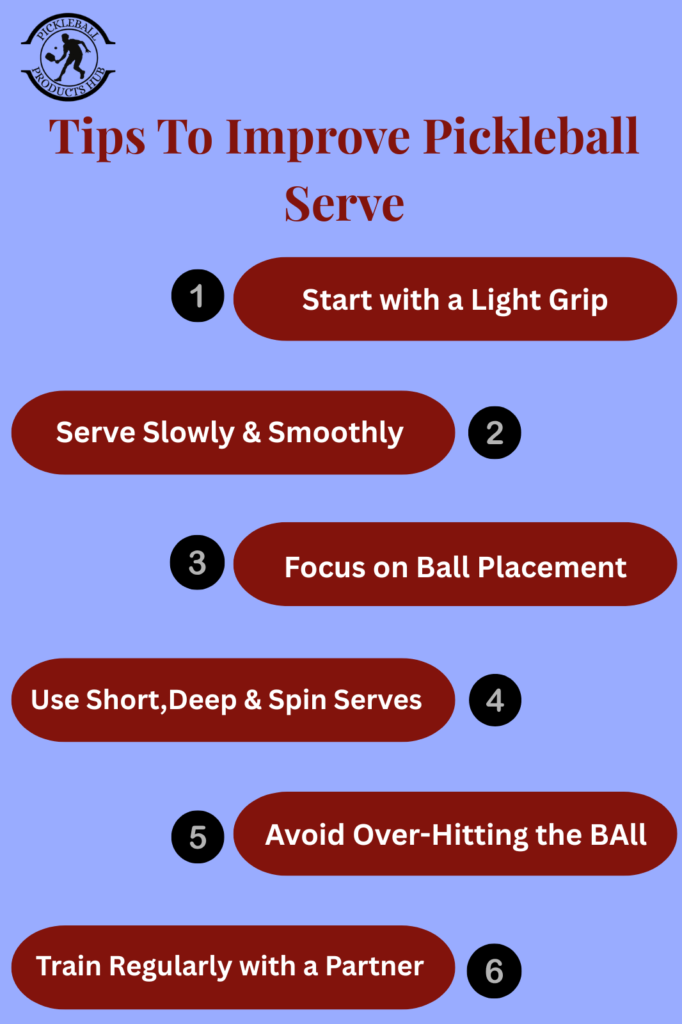
Improving your serve requires patience, concentration, and practice. For controlled serves with a weak grip, start gently, increase accuracy, and acquire confidence. Practice your posture, paddle angle, and ball placement. Play with different serves-the short, deep, and spin serves-to find out what works well for your playing style. Watch some videos or games with experienced players, if you can.
To prepare for actual game conditions and enhance your response time, practice shots with a partner. Stay clear of over-hitting the ball since this could result in errors. Your serve will become one of your game’s most valuable assets as well as dependable and strategic with consistent practice and an awareness of the regulations.
What Equipment do you need to consider for serving?
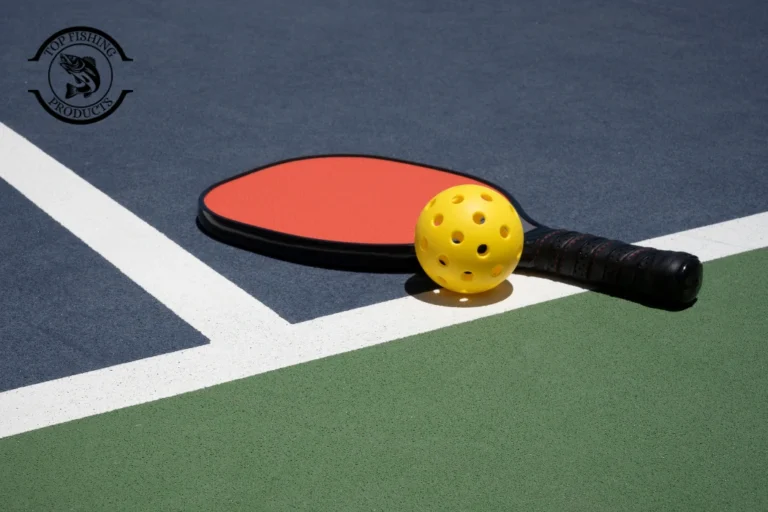
The paddle has an impact on your serve, even though the ball is important. Pickleball paddles are available in a variety of weights, surface textures, and grip sizes. A player can control, spin, and produce reliable returns with a comfortable paddle. To maintain accuracy throughout extended play, a new player should use a medium-weight paddle with a comfortable grip.
The kind of pickleball ball you use can affect how well you serve. Outdoor balls are faster and harder, whereas indoor balls are slower and softer. Your performance is improved by selecting equipment that is suitable for your play level and surroundings. Your point will get off to a fantastic start if you use the right paddle, ball, and serve technique.
Why Practicing Your Serve is Important?
Regular practice is the key to mastering the serve. Start by concentrating on basic underhand placement and technique. Gradually introduce serve types and placement strategies. One’s muscle memory of the shot can be strengthened by first practicing against a wall, then a partner, and during casual games.
Pay attention to spin, ball trajectory, and errors. Track your development over time to identify your areas of strength and growth. Regular practice boosts confidence during games in addition to increasing accuracy. Naturally, the serve shot would become one of the biggest strategic advantages against players with less expertise as it gets more dependable.
Final Words
The serve in pickleball is more important than just starting the shot. It is a strategy that impacts every rally, and understanding the official Pickleball Serve Rules helps players stay fair and improve performance day by day. When a player truly understands and follows the serve pickleball rules, it reflects discipline, fairness, and growth in the game.
There are a lot of elements that are essential to consider, like proper stance, underhand technique, and ball placement. The best tip is that beginners need to focus on accuracy and consistency first. They don’t need to apply all the advanced techniques on their first day. Everyone needs to gain experience first, then gradually apply other techniques.
Always ensure that you practice regularly using the right equipment. If you follow the serve pickleball rules, you will feel confident and mastered. By following the rules, you can definitely control the pace of your game. There is nothing joyful than playing pickleball with the right rules.
FAQs
What is the correct way to serve in pickleball?
A legal pickleball serve must be underhand, hit below the waist, and travel diagonally into the opponent’s service court.
Can you serve overhand in pickleball?
No. Overhand serves are illegal and result in a fault. All serves must be underhand.
Where should the ball land during a serve?
The ball must land in the opponent’s diagonal service court and clear the non-volley zone line.
How many attempts do I get for a serve?
Only one serve attempt is allowed per point unless the ball touches the net and lands in the correct service area (let serve).
Do doubles players rotate serves?
Yes. In doubles, each partner serves according to the score, and rotation ensures fairness and correct order.
Can beginners serve slowly?
Yes. Beginners are encouraged to serve slowly to improve control and accuracy before practicing speed or spin.
Why is serve placement important?
Good placement forces opponents into difficult positions, giving you a strategic advantage and increasing the chances of winning the point.