

Pickleball is one of the fastest-growing sports today, enjoyed by people of all ages because it’s easy, fun, and social. However, like any sporting equipment, your pickleball paddle will not last forever. Understanding how long do pickleball paddles last can help you maintain your performance, save money, and improve your skills on the court as your paddle naturally loses its impact over time.
Your paddle will last a long time if it is properly maintained and cared for. Depending on the component, playing style, frequency of use, and maintenance, each paddle has a different duration. Let’s go step by step and understand all the details about how long pickleball paddles last and how you can make yours last longer. Let’s explore it:
What Is the Average Lifespan of a Pickleball Paddle
Paddles often last between six months and two years. This depends on how often you use it and how much pressure you put on your paddle. While players who participate rarely may have their paddle last for many more years, those who play three times a week may observe changes in a year.
Due to their need for excellent power and control, professional or competitive players typically switch out their paddles more frequently. The paddle’s face becomes less responsive as the core eventually loses its bounce. It won’t play as well as it used to, but you could still use it. The average life expectancy of pickleball paddles can vary depending on how frequently you play and the quality of materials used.
Factors That Affect How Long Do Pickleball Paddles Last
Your paddle’s durability may be impacted by each of these factors. These could include how often you play, what kind of material the paddle is made of, how you play, the weather, and how you keep it in good condition. Each of these factors has a major impact on how long your paddle will stay in good condition.
Your paddle can handle greater force and wear out more quickly if you play every day instead of just on the weekends. Paddles made of different materials also have varying lifespans. Your paddle’s lifespan can be increased by months or even years with appropriate cleaning and storage. Let’s get into the major factors:
1. Frequency of Play
The number of times you play each week has an important effect. Your paddle might start to wear out in six or eight months if you play every day. Regular play has an impact on the core and surface. After a while, the paddle starts to feel soft or damaged.
Your paddle will undoubtedly last longer if you play once or twice a week. It will take longer to lose its grip or strength. Your paddle will last longer if you don’t play as much. To avoid damage, storage should be done correctly, even if you don’t play frequently.
2. Paddle Material
One of the most important factors affecting the paddle’s lifetime is the kind of material used. Paddles fall into three main categories: composite, graphite and wood. Each has unique durability and strength. Paddles made of wood are strong but heavy. With their durability, they are hardly used in serious play these days.
Fiberglass and polymer cores combine to create composite paddles, which offer an excellent balance between durability and power. Although carbon fiber or graphite paddles are strong and lightweight, they can weaken more quickly under extreme use. The quality of the face material and core material depends on the durability of the paddle.
3. Playing Style
You might be surprised to learn how much your playing technique affects the lifespan of your paddle. Your paddle will be under more strain and impact if you are a hard-hitting player who frequently hits difficult strokes. Compared to a player who depends on controlled play and gentle dinks, this can shorten its durability.
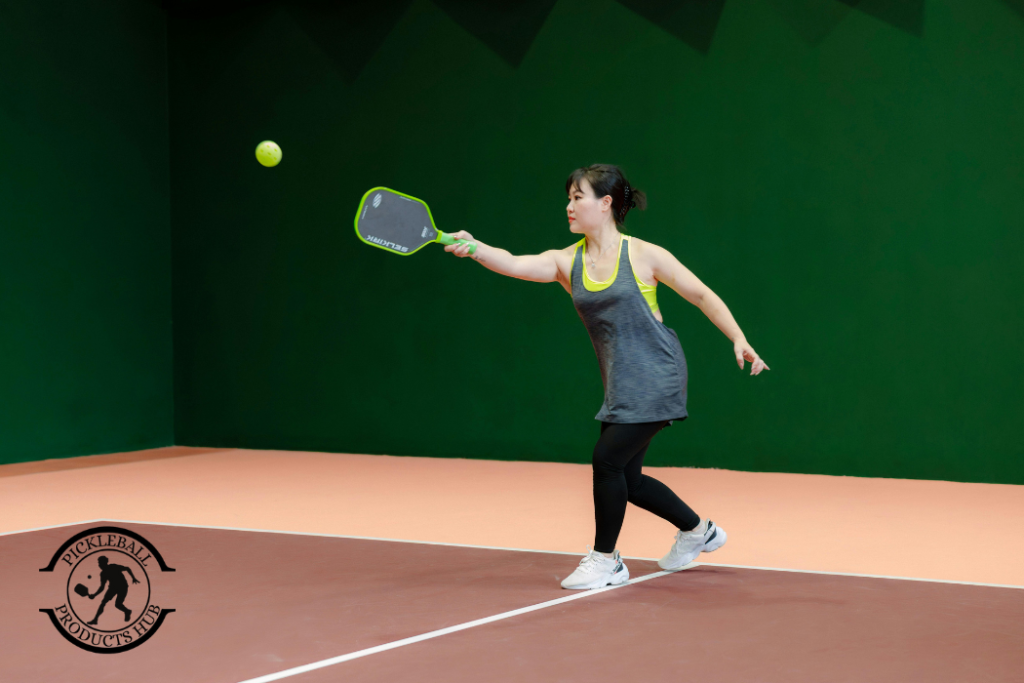
Because they hit less forcefully, defensive or finesse players typically get more life out of their paddles. But spin shots and strong smashes destroy the surface more quickly. By understanding your playing style, you may select a paddle that meets your needs and lasts longer.
4. Surface Conditions
Playing outside challenges your paddle to heat, sunlight, as well as rain, so where you play is also important. Over time, the paddle surface can suffer damage from UV radiation, and the grip may be impacted by humidity. The paddle face may also become dulled or scratched by dirt and fingerprints.
Because the conditions are stable, indoor players have an edge. The paddle stays in good shape since indoor courts are cleaner and have regulated temperatures. After every game, outdoor athletes should make sure to clean their paddles to get rid of any dirt that could shorten their lifespan.
5. Care and Maintenance
Your paddle’s durability will increase if you take proper care of it. After every match, always wipe your paddle with a gentle, dry towel to remove any sweat or dirt. Because harsh chemicals can damage the surface, never use them to clean it.
When not in use, store your paddle in a bag or cover to protect it from sunshine and damage. Avoid leaving your paddle in wet or hot conditions. Moisture can affect the grip, and too much heat damages the paddle’s adhesive coatings. Your paddle will function better for many years if you take the time to clean and store it. Following storage tips to make pickleball paddles last longer will help you get the most out of your investment.
Signs Your Pickleball Paddle Is Worn Out
Every paddle eventually breaks down, even with the right maintenance. Knowing what to look for in advance enables you to replace it before it affects your performance. Let’s talk about some of the most noticeable signs that your paddle is going to fail:
1. Visible Cracks or Chips
Cracks on the paddle’s surface or at its edges are among the first signs. Although they won’t affect your play right away, little cracks will eventually grow and degrade the paddle. You should replace your paddle if there is a deep break or if a portion of the surface is peeling off.
2. Dead Spots
A “dead spot” occurs when specific locations on the paddle no longer generate the proper bounce when the ball hits them. You might notice that your shots are softer or that the ball goes farther than it has in the past. Try lightly tapping the ball along different parts of your paddle. Wear is indicated by a dead spot if you hear a dull noise or a faint reaction.
3. Handle or Grip Damage
The handle and grip are also important. Over time, the grip can weaken or become slick due to sweat and repeated use. The paddle may need to be replaced if the handle breaks or the joint becomes loose, although the grip can be changed.
4. Loss of Power and Control
The core of the paddle may be fading if your shots are no longer crisp or if your control is off. After many games, the paddle softens and loses its accuracy and force. Once-easy shots can become difficult for you to get. That is a clear sign that the performance of your paddle is decreasing.
Lifespan of Different Pickleball Paddle Materials
our pickleball game heavily depends on your paddle. You’ll enjoy better control, power, and consistency if your paddle is well-maintained. All paddles wear out eventually, but by knowing how long do pickleball paddles last and following proper care and cleaning routines, you can significantly extend their lifespan. Always clean your paddle, store it safely, and replace it once it starts losing its bounce. Using a high-quality paddle not only enhances your gameplay but also helps you save money in the long run.
Proper maintenance ensures smoother games and fewer interruptions, whether you play casually or competitively. By taking good care of your paddle, you’ll consistently get top performance every time you hit the court. If your paddle gets damaged, consider repairing it before replacement, and explore whether pickleball paddles can be recycled to reduce environmental impact.
Indoor vs. Outdoor Play
Since indoor paddles are not exposed to harsh environments, they often last longer than outdoor paddles. Indoor courts are kept at a consistent temperature and have less moisture and dirt. The sun, dust, and temperature changes that players encounter outside can accelerate the breakdown of the surface and core.
It makes sense to keep two separate paddles if you play both indoor and outdoor games. Use one paddle to play games indoors and another to play games outside. This guarantees that both paddles will last longer and function better in their respective environments.
Does Playing Style Impact Paddle Durability?
It’s true that your playing style has a big impact on how long your paddle lasts. Because of the frequent strong hits, if you’re a power hitter who likes smashes and drives, you’re likely to wear out your paddle sooner. With each forceful strike, the paddle face absorbs more energy.
Your paddle will naturally last longer if you are a control or placement player who enjoys soft hits, drop shots, and soft strikes. Knowing your playing style will help you select a paddle that is appropriate for your style. Paddles made especially for power players with stronger cores that can handle pressure are offered by some brands.
How Often Should You Replace Your Pickleball Paddle?
It’s best for ordinary players to switch out their paddles every 12 to 18 months. You might wish to change it every six to eight months if you play more than three games per week. Two years or longer for recreational gamers who only play during their free time. The way your paddle plays should also be taken into account.
You need a new one if you think it has lost its pop or control. Using a worn-out or outdated paddle will result in weaker and less accurate shots. Timely replacement ensures that you keep getting better. So, if you’re wondering how often should you get a new pickleball paddle, it depends entirely on your play frequency and performance needs.
Tips to Make Your Pickleball Paddle Last Longer
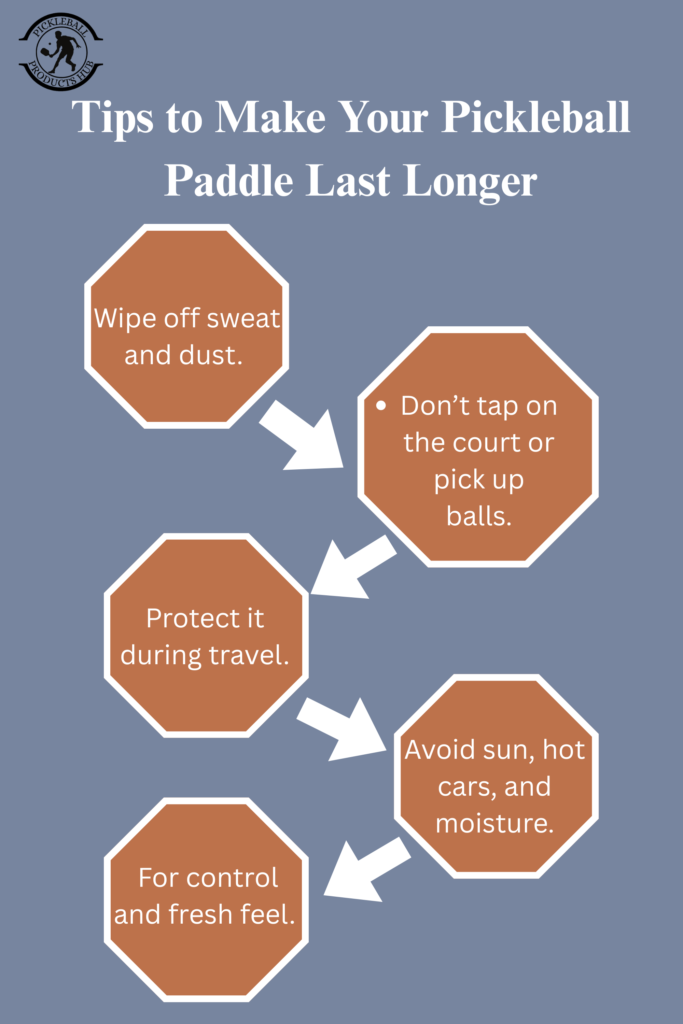
Take good care of your paddle and clean it frequently to extend the duration of its use. After each game, wipe it with a gentle towel to get rid of sweat and dust. When traveling, keep it safe by using a paddle cover. To avoid cracking the edge guard, do not tap your paddle on the court or use it to pick up balls.
Keep it out of the heat and direct sunshine. Don’t leave it in a wet garage or in your car parked in the sun. When the handle is going to wear out, re-grip it. This guarantees that you have a solid grip on the paddle while playing, in addition to giving it a brand-new appearance.
Best Practices for Storing and Maintaining Your Paddle
Your paddle should always be kept in a cold, dry location. It can be shielded from scratches and unintentional drops with a protective case or paddle sleeve. Make sure the paddle is totally dry before storing it. If it becomes wet while you’re playing, clean it and let it air dry. Avoid piling heavy items on top of your paddle.
It might compress the surface and cause it to fracture. If the paddle face gets too dirty, gently clean it with water and mild soap; avoid using chemicals or alcohol. Regular maintenance keeps your paddle responsive, clean, and firm. Players who compare budget vs premium pickleball paddle lifespan will also notice that higher-end paddles typically last much longer with proper care.
Final Thoughts
Your pickleball game depends on your paddle. You will have more control, power, and consistency if your paddle is in good condition. All paddles eventually wear out, but by understanding how long do pickleball paddles last and applying proper treatment and cleaning, you can extend their useful life and lifespan. Remember to clean it, store it correctly, and replace it when it starts to lose its bounce. In addition to improving your skills as a player, a high-quality paddle also helps you save money over time.
Maintaining your paddle properly ensures smoother games and fewer downtimes, whether you’re playing for fun or competition. Therefore, if you take good care of your paddle, it will reward you with great performance every time you step on the court. If your paddle breaks, consider repairing damaged pickleball paddles when possible before replacing them, and check if pickleball paddles can be recycled to help the environment.
FAQs
Q1: What is the average lifespan of a pickleball paddle?
A paddle usually lasts from six months to two years, depending on how often you play and how well you care for it. Frequent players may need to replace it sooner, while occasional players can use it longer.
Q2: Does indoor or outdoor play affect paddle durability?
Yes, outdoor play can wear out your paddle faster due to the sun, dirt, and weather changes. Indoor play is easier on the paddle and helps it last longer.
Q3: Do different materials change how long a paddle lasts?
Definitely. Wooden paddles are strong but heavy, composite paddles balance power and durability, while graphite paddles are lightweight but may wear out faster.
Q4: What are the signs that my pickleball paddle is worn out?
Cracks, chips, weak bounce, dead spots, or loss of power are clear signs. If the paddle feels dull or unresponsive, it’s time to replace it.
Q5: How often should I replace my pickleball paddle?
If you play regularly, replace your paddle every year. Casual players can replace it every two years or when performance drops.