
Playing pickleball outside is a popular, quick, and fun activity. It is a very popular sport because it is relatively simple to learn and can be played by people of all ages. There are many ways the weather can affect outdoor sports. The ability to play pickleball in the rain is one of the most often asked questions by athletes. Rain will have an effect on the ball, the playing surface, and even the players.
Even a small amount of water can cause issues, while a little rain might not seem like much. This article will go into great detail about whether or not you can play pickleball in the rain, the risks involved, and your options before you go out onto a wet court. Let’s explore it:
How Rain Affects a Pickleball Court?
Rain can seriously damage a pickleball court, especially when it is outdoors. Most pickleball courts use concrete or asphalt, and water makes these surfaces slick. Even a small amount of water can reduce the traction of your shoes.
Puddles on the court can change how the ball bounces. The ball might slip or stop suddenly instead of bouncing, making it harder for players to control it. When the ball reacts unpredictably, the game loses its fun and excitement.
Is It Safe to Play Pickleball in Light Rain?
Some players underestimate light rain and think they can play without problems. However, even a small amount of rain can make the court slippery. Pickleball demands quick sideways movements, abrupt stops, and rapid direction changes. Your feet may lose grip on a wet court, causing you to slip and injure your back, knee, or ankle. Rain also makes the ball heavier and slower, affecting gameplay. Don’t ignore light rain. it can create serious dangers.
Several signs indicate it is completely unsafe to play pickleball in the rain. Stop playing if water collects on the court. A single slip signals a risk. Leave the area immediately if thunder rumbles or lightning flashes.
How to Deal with the Danger of Slippery Surfaces?
One of the main problems pickleball players face when playing in the weather is slipping. It is challenging to get a grip between your feet and the ground on wet courts. Players run towards the net, move laterally to return the ball, and sometimes have to travel backwards when playing pickleball. These activities become dangerous when the court is wet.
It is easy for a player to slip and suffer bone fractures, ankle twists, or muscle pulls. Senior athletes are more dangerous since they are more likely to get injuries from falls. This isn’t just an issue when it’s raining. The surface may continue to be slippery even after the rain has stopped.
How Rain Changes Ball Performance?
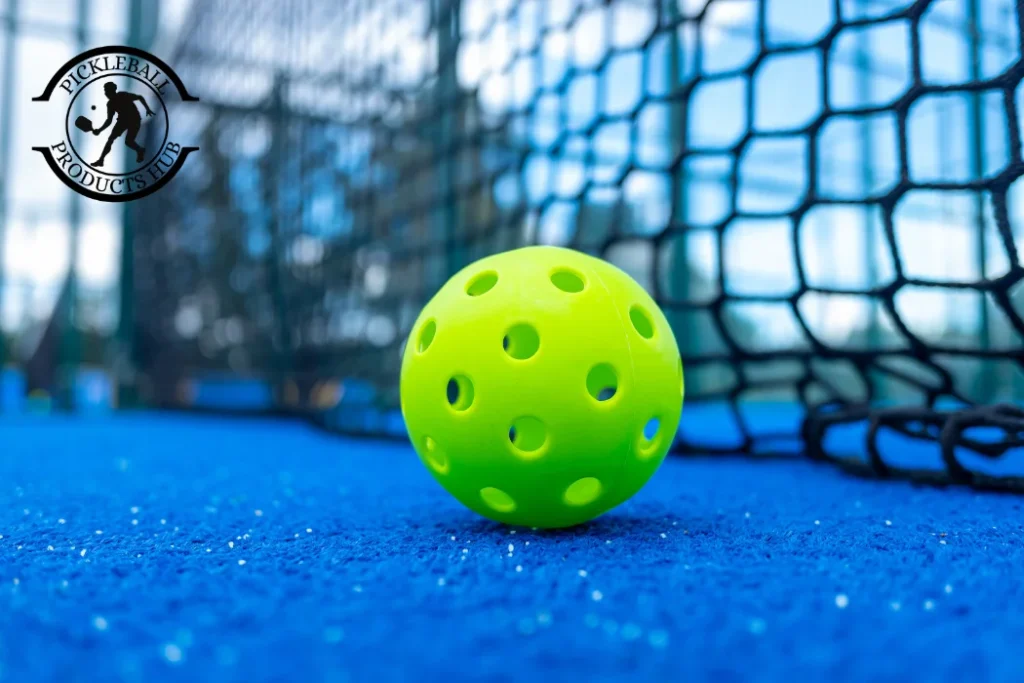
Rain affects both the court and the pickleball. Pickleballs are plastic balls with holes. Water enters the holes when the ball gets wet, increasing its weight. A heavier pickleball behaves differently from a lighter one: it moves more slowly and bounces lower. When a player strikes a wet pickleball with the paddle, the ball feels slippery and harder to control. Handling a wet ball challenges your shots and reduces the enjoyment of the game.
What is the Impact of Rain on Paddle Grip and Control?
The paddle, your hands, and the ball all get wet while you play in the rain. It is more difficult to handle a wet paddle grip. The paddle grip may slip a little while you’re playing if your hands are wet from moisture or rain. The ball’s direction could be impacted by this small shift.
To play a successful shot, players need to have a firm grip and suitable paddle control. This is made difficult by the rain. Grip tape is used by certain players, it doesn’t totally prevent slipping. In addition, a weak grip may put additional stress on your arm and wrist.
What are the Risks of Injury During Rainy Conditions?
Playing pickleball in the rain significantly increases the risk of injury. Slipping is the most common danger, but other risks exist. Players often walk more cautiously—or sometimes carelessly—when they worry about falling, which can strain muscles or disrupt balance. Rainwater in your eyes can blur vision, making it harder to respond quickly. Dim lighting further slows reactions. Thunder or lightning dramatically increases the danger. Outdoor courts offer no protection from the weather, leaving players fully exposed to these hazards.
Can You Play After the Rain Stops?
When the rain stops, players often wonder if they can safely play. The court’s moisture level determines this. Even if the sky is clear, water can keep the surface wet. Wet areas and puddles make the court slippery, so players should wait until it dries completely.
Wind and sunlight help some courts dry faster, while others may take hours. Players need to inspect the court thoroughly before playing. Move slowly and test your grip with your shoes, because damp spots can still make the court dangerous.
Why Indoor Pickleball is an Ideal Option?
Indoor courts are the ideal place to play pickleball when it rains outside. They shield players from rain, wind, and storms. The level, dry surface makes play safe and fair. You can find indoor pickleball courts in many community centers and sports complexes. Playing indoors allows you to avoid slipping, though the experience may feel slightly different than outdoors. Indoor courts also maintain consistent temperature and lighting, so when it rains, choosing an indoor court is the best option.
What is the Role of Court Drainage Systems?
Different outdoor pickleball courts use various drainage systems. An effective drainage system drains water quickly from the court. Courts with the right slope and design drain faster than others. However, small cracks in the court surface allow water to gather, so it takes time for the court to dry completely. Even with a good drainage system, rain makes outdoor pickleball unsafe, so players should avoid playing during wet conditions.
How Footwear Matters in Wet Conditions?
Shoes are also necessary for pickleball safety. The purpose of court shoes is to provide grip on a dry court. However, pickleball shoes are not made for wet courts. Even the best shoes will result in you slipping if the court is wet.
On smooth pavement, some shoes with more noticeable tread patterns won’t be able to prevent you from slipping. Wearing old shoes will make it extra risky. Your shoes should be in good shape if you decide to play on a court that is a little damp.
What is the Effect of Rain on Outdoor Court Lines?
In pickleball, court lines are important since they define the playing area. If it rains on the court, painted lines may become slippery or more difficult to see. Visibility may result from water on the court surface, especially if the sun comes out after it has rained.
When a ball hits one side of the line or the other, the glare may make it difficult to find out where it is. To guarantee fair play, vision must be clear. Players who are unable to see where a ball lands clearly may get into arguments.
How to Avoid Damage to Equipment from Rain?
Rain can also damage your pickleball equipment. Even though manufacturers construct paddles from premium materials, exposing the grip tape to precipitation regularly can make it deteriorate. If you don’t dry your paddles after use, rainwater can get trapped in them.
Playing with wet pickleballs can also weaken them faster. Continuous exposure to rain can alter their performance and shape. To use your equipment for a long time, you must maintain it properly. Playing pickleball regularly in the rain can accelerate equipment damage and increase replacement costs.
How Rain Affects Game Strategy?
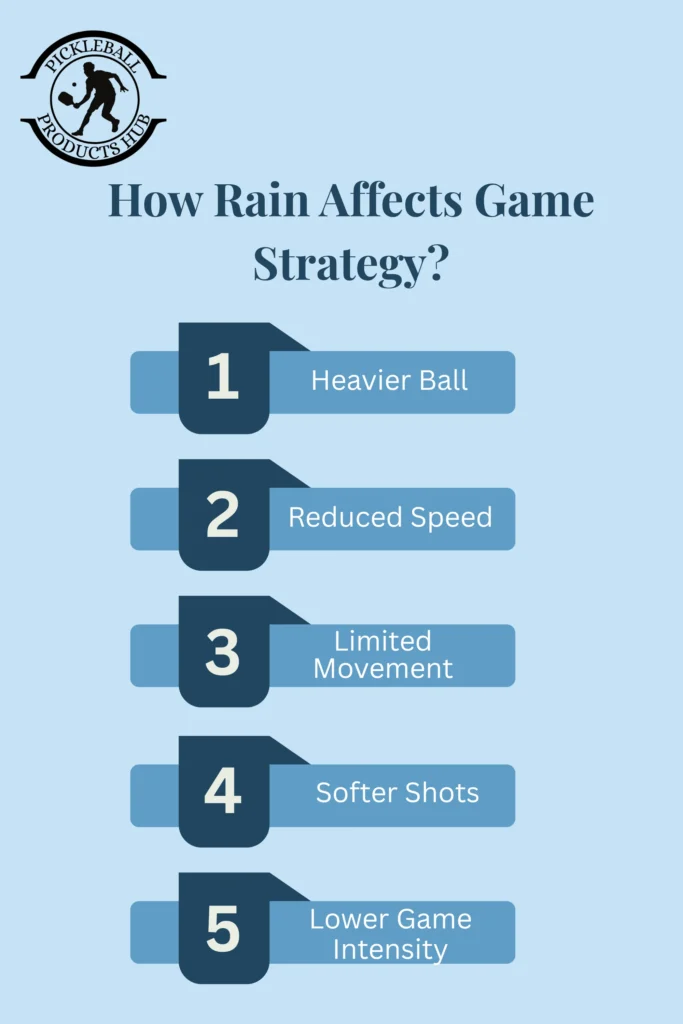
The game is not the same when played in the rain. Because the ball is heavier, it can take longer to get there. In order to prevent slipping, players could avoid making quick movements. This changes the game’s speed and intensity.
It could be challenging to execute shots like volleys at the net. Softer shots are an option for players. The game is not always superior as a result. Generally speaking, the absence of movement and reaction lowers the game’s quality. Pickleball’s speed and excitement are difficult to enjoy in the rain.
What are the Community Rules About Playing in the Rain?
There are basic safety rules about weather in many pickleball communities. Rainy weather prevents pickleball from being played at several pickleball clubs. Some people don’t let games start until the courts are totally dry.
These rules usually get set for the players’ safety. There could be mistakes and possibly legal action if the rules are not followed. Always follow the rules established by the community you are in. If you are unsure, you can ask the game organizers or the court managers.
Why Cleaning and Drying the Court is Important?
You must dry the court properly if the rain has just stopped and you want to play soon. Many courts provide squeegees or rollers so players can remove water from the surface. Make sure you use them thoroughly and carefully.
Small areas on the court can remain slick. Let the sun and wind dry the surface, as this works best. Playing on a half-dry court carries significant risk. Always check for hidden wet spots, even when most of the surface looks dry.
When is It Completely Unsafe to Play?
Watch for clear signs that playing pickleball in the rain is unsafe. Stop playing immediately if water pools on the court. Treat a single slip as a warning. Move to safety at once if thunder rumbles or lightning strikes.
Stop playing if rain makes the ball too wet to bounce properly. Always prioritize safety over fun. Ignoring warning signs can lead to serious injuries.
Benefits of Waiting for Dry Conditions
Waiting for the court to dry may feel annoying, but it provides many benefits. A dry court reduces slipping, making it easier for players to move confidently. The ball bounces correctly, which improves the game. Players can focus on playing instead of avoiding falls. Keeping equipment dry extends its lifespan. Playing in normal conditions makes the game more enjoyable and fair. Overall, waiting is safer than taking unnecessary risks
Conclusion
So, is it possible to play pickleball in the rain? Technically speaking, it is possible with really light rain, but it is not recommended. Rain reduces grip control, slippery surfaces, changes ball trajectories, and increases the risk of injury. Thunderstorms and heavy rain are dangerous and should stop play right away.
The playing surface needs to be entirely dry before play can resume, even after the rain has stopped. When it’s raining, indoor facilities are the greatest choice. You may maintain your health and continue to play pickleball for the rest of your life by putting safety above convenience.
Frequently Asked Questions
Can you play pickleball in light rain?
It is possible, but it is not safe. Even light rain can make the court slippery and increase the risk of falling or getting injured.
Is it safe to play pickleball right after the rain stops?
Wait until the court dries completely. Even after the rain stops, wet spots can still make you slip.
Does rain affect the pickleball?
Yes, rain can make the ball heavier and reduce its normal bounce. This changes how the game feels and affects control.
Can proper shoes prevent slipping on a wet court?
Good court shoes help on dry surfaces, but they cannot fully prevent slipping on a wet court.
What is the safest option during rainy weather?
Playing on an indoor court is the safest choice because the surface stays dry and stable.